The Practice
NorthBreak was shaped over years of leading people, navigating operational pressure, and watching organizations reach moments where pace and complexity outgrew the systems supporting them.
In those moments, friction emerges well before it becomes evident in the numbers, causing roles to blur, communication to strain, and decision cycles to slow, leading teams to address symptoms rather than the underlying structure.
NorthBreak Advisors exists to help founders and leadership teams restore direction inside those environments: aligning leadership, teams, and operational structure so the organization can move with purpose again.
How We Work
NorthBreak engagements are intentionally small, direct, and close to the realities shaping the business.
The work is not built around detached analysis or long consulting cycles. It begins with what is actually happening: where pressure is appearing, where communication has begun to strain, where responsibility has drifted, and where decisions are becoming harder to make clearly.
The goal is not to insert an outside system, but to help the organization see itself clearly again.
Jacob Fisher — NorthBreak
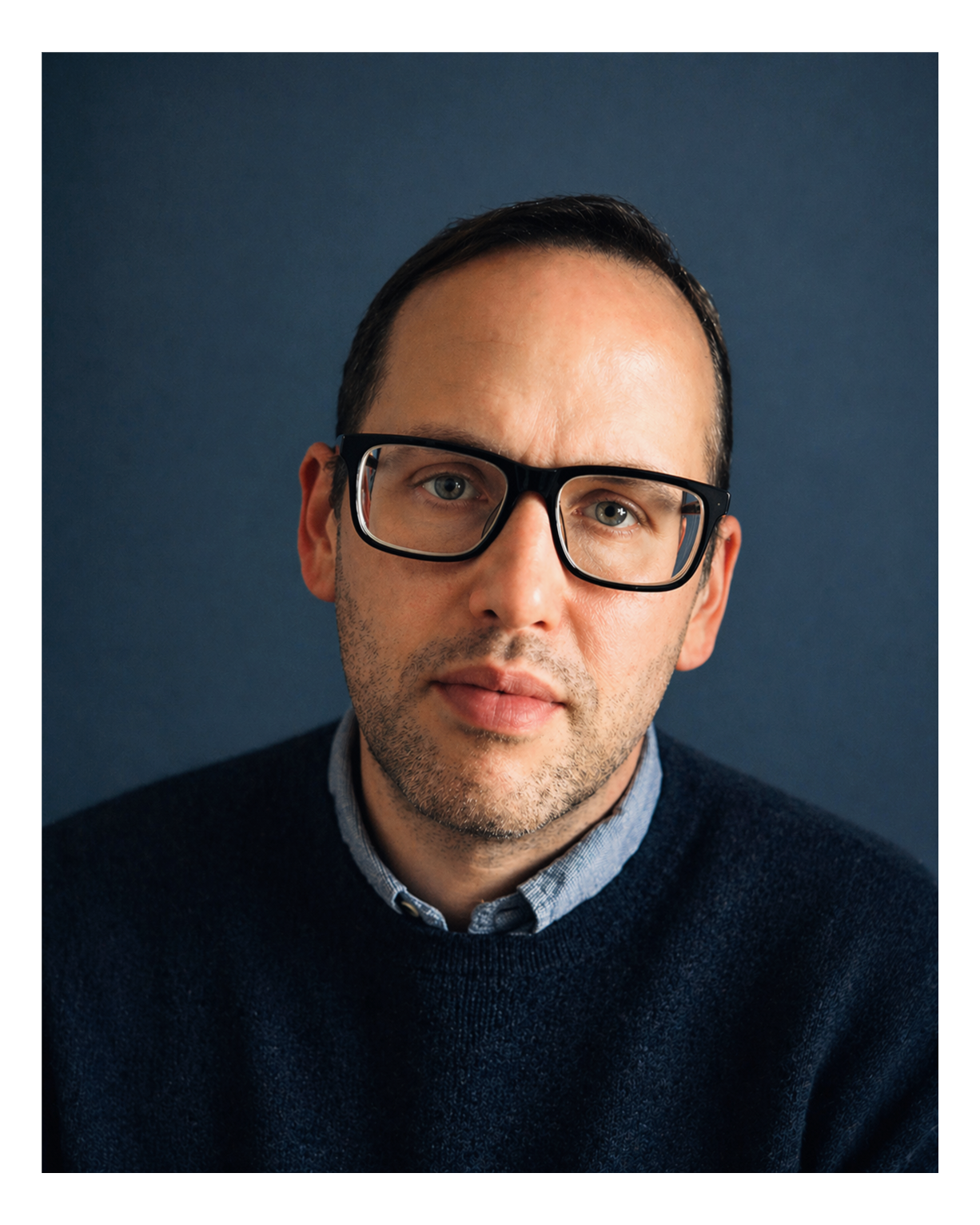
This work is personal because it was lived long before it was named.
My understanding of leadership began early. I watched a successful family business implode under the weight of ego, mismanagement, and self-interested financial decisions. That experience left a lasting imprint: when responsibility becomes performative or detached from operations, organizations can destroy themselves from the inside.
That understanding deepened throughout more than twenty years inside large-scale retail environments, including thirteen years as an assistant manager responsible for teams of 20–50+ employees. In those environments, operational judgment was never theoretical. It determined whether the day succeeded or failed.
The work required constant navigation of operational realities: hiring and mentoring staff, managing schedules and budgets, coordinating with district leadership, and launching new stores. It also showed me the consequences of leadership designed too far from the floor. Strategies imposed by people who had never worked within those conditions often created more friction than resolution.
Over time, one truth became unavoidable: operations are not a support function. They are the foundation. When leadership drifts from them, the effects are carried by the people closest to the work.
Alongside that operational foundation, creative discipline has remained a constant part of my life.
I spent seventeen years writing and revising a single novel: submitting it to agents and publishers, watching it get read and rejected, and ultimately letting it go. I also maintain a visual art practice, working primarily in abstract acrylic painting.
Those disciplines taught me that making something real requires more than inspiration. It requires endurance, restraint, revision, and the ability to remain close to uncertainty without confusing attachment for truth.
Creative discipline is not romantic. It is the practice of learning what still has energy, what must change, and what has run its course.
After leaving retail in 2018, I spent four years as a researcher and cataloguer with a rare book dealer, working inside a highly specialized independent business shaped by deep expertise, legacy systems, and resistance to change. The experience reinforced another lasting lesson: autonomy without structure is fragile, and independence without governance becomes exhausting. That is true whether the organization is large, small, or built around a single person.
The advisory work that eventually became NorthBreak began organically through a long-term collaboration with Stanwich Painting, a residential painting company serving Fairfield County, Connecticut. What began as marketing and digital work gradually expanded into leadership conversations, operational planning, hiring decisions, and broader guidance as the business continued to grow. Over time, it became clear that the work was no longer marketing consulting. It was advisory support: helping a founder navigate the evolving pressures of running, structuring, and scaling a business.
That experience gave NorthBreak its shape. It showed me that owners and founders rarely need more analysis. They need someone who can remain close to the work when responsibility becomes heavy, growth begins to distort judgment, and decisions have real consequences for people, operations, and the future of the business itself.
I chose the word advisory deliberately. To me, it implies proximity to consequence: steady presence, direct conversation, shared responsibility, and the willingness to remain close to decisions as they unfold.
I understand tech founders because I recognize the work for what it is: a creative act shaped by real organizational responsibility. Many already know how to build structure, lead teams, and scale. The harder work is deciding what still belongs and what has become habit. Building something new requires endurance, revision, and the ability to stay close to uncertainty long enough to distinguish a real signal from an old attachment, necessary structure from familiar structure, and persistence from something that has simply run its course.
My role in NorthBreak is not to posture as an expert or provide reassurance. It is to stay steady, name what is happening without flinching, and help leaders reclaim responsibility where people and operations meet so their organizations can function with greater coherence and integrity.
—BA in English from a small, expensive, and overpriced liberal arts college.
For general questions, introductions, collaborations, or anything that doesn’t quite fit the inquiry form…